Showing posts with label Exercise and You. Show all posts

Monday, December 7, 2009

Causes and Treatment Options for Muscle Cramps


A muscle cramp can bring a jogger to his knees or elicit the fear of drowning in a swimmer; however, athletes are not the only individuals to experience a muscle cramp or spasm. According to one estimate, approximately 95 percent of people will at some time in life experience the sudden, sharp pain associated with a muscle cramp. A muscle spasm is an involuntary contraction of a muscle, part of a muscle, or several muscles that usually act together. If the spasm is forceful and sustained, it becomes a cramp. Most people describe a muscle cramp as a feeling of tightness in the muscle; it’s not unusual to feel a lump of hard muscle tissue underneath the skin in the vicinity of the cramp. During a spasm or cramp, it may be painful, or even difficult, to use the affected muscle or muscle group.
Cramps and spasms can affect any muscle, even those affiliated with the body’s various organs; however, they are most common in the calves, hamstrings, and quadriceps. Cramps in the feet, hands, arms, and lower back occur frequently, as well.
Many possible causes
Common as they are and painful as they can be, a shroud of mystery surrounds the cause of muscle spasms and cramps. Some researchers believe that inadequate stretching and muscle fatigue lead to cramps. According to the University of Michigan, other possible factors include a low level of fitness, overexertion (especially in intense heat), stress, and depletion of electrolytes through excess sweating or dehydration. Certain diuretic medications can also cause cramping due to a loss of sodium, potassium, and magnesium.
Treatment of muscle spasms
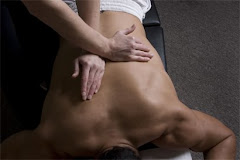
Typically, muscle cramps require no treatment other than patience and stretching; medicines are not generally needed to treat an ordinary muscle cramp. Gentle and gradual stretching, along with massage, may ease the pain and hasten recovery.
When a muscle spasm or cramp is the result of an injury, applying ice packs for the first two to three days may help alleviate the pain. Spasms that last a long time may be treated with moist heat for 20 minutes several times a day.
If you tend to get muscle cramps during exercise, make sure you drink enough fluids, and, after your workout, consider a warm Epsom salt bath followed by stretching of the affected muscles. Generally speaking, water is sufficient for rehydration; however, some may find a sports drink or juice beneficial as a means to restore their body’s electrolyte balance.
If your muscle cramps are associated with a specific medical condition, keep in mind that you need to address the underlying health problem for the cramps to subside.
Tips for Prevention
As with any health condition, it is always best to prevent muscle cramps or spasms—especially if you tend to develop them. Consider altering your diet and lifestyle by incorporating the following suggestions:
Take steps to improve your diet. Eliminate sugar and caffeine from the diet, and increase consumption of fiber and protein. In addition, remember to eat plenty of calcium- and magnesium- rich foods, such as green leafy vegetables, yogurt, legumes, whole grains, tofu, and Brazil nuts. High-potassium foods, including bananas, avocados, lima beans, and fish, may also be helpful.
Before and after you exercise, stretch muscle groups that tend to cramp.
Incorporate strengthening exercises into your fitness routine.
Avoid dehydration. To prevent dehydration, consume plenty of fluids and foods high in water such as fruits and vegetables.
Avoid excess sodium and soda (high in phosphoric acid), as they can leach calcium.
Avoid chocolate, caffeine, and alcohol, which can interfere with magnesium absorption.
Improve your posture. For example, you may have mid-back spasms after sitting at a computer desk for too long in an awkward position.
Vitamin E has been said to help minimize cramp occurrence. Although scientific studies documenting this effect are lacking, anecdotal reports are common and fairly enthusiastic. Since vitamin E is thought to have other beneficial health effects and is not toxic in usual doses, taking 400 units of vitamin E daily could be considered.
Discuss with me today if your cramps are severe, happen frequently, respond poorly to simple treatments, or are not related to obvious causes like strenuous exercise. These could indicate a possible problem with circulation, nerves, metabolism, hormones, medications, and/or nutrition.
CALL TODAY: (208) 888-7242
FOR HEALTH AWARENESS ON THIS SUBJECT.


Saturday, June 27, 2009

EXERCISE AND YOU


I am frequently asked “where do I get all my energy” and “how is it that I never seem to have a down day and always seem to be enthusiastic?” First of all these kind of questions make me laugh. You would laugh too living in my shoes because I have to work just as hard at it as you do. I would like to think that I am special and have been gifted with an unusual body that doesn’t respond to universal laws. In other words that I wouldn’t have to work at staying healthy and maintaining my energy and attitude like everybody else does. The truth is, I pay the price I get the benefits! If I violate natural laws, then I receive the negative consequences just like you do!

This body we have is the only vehicle we will have in this life to help us complete what it is we are here to accomplish. It is repairable but it is no replaceable. Wisdom dictates we take good care of ourselves so that we support rather than abuse our body’s ability to repair itself. The benefits come as the body rewards us with a better quality of life.

Relevant but not the topic of this message (and yet always relevant and endlessly worth the repeating) is the simple principle of nourishment for the body and the results: “garbage in” gives you “garbage out.” Let’s assume for now you are in touch with that first big step in the right direction (and we will be talking mountains about this) and you already respect and nourish your body with the food it needs. Next comes the effort to keep the body strong, flexible, and resilient in responding to life demands. I refer here to those efforts in your life that demonstrably fine tune your musculoskeletal structure. All systems in your body work synergistically so as you strengthen and tone the muscles, joints and soft tissues you simultaneously strengthen your cardiovascular, immune, hormonal, and nervous systems. That is why exercise is critical to get healthy and stay healthy. I believe the most important starting point in embarking on an exercise regimen (with the objective to keep it in place) is to take the time to discover what it is that you enjoy doing. I don’t care what anyone one says, if you don’t enjoy it…you won’t do it for long. We will be discussing in detail the many different type of exercise for strength training, increased flexibility, enhanced endurance, but you first want to get a feel for what feels right for you.

One person’s ambrosia is another’s poison. What I like you may not tolerate or even like. You must respect your individuality, your personality, your body type, your energy, physical limitation and demands. This is one of those spectacular opportunities for self -introspection to discover what it is that “turns your wheels”, and then find the courage to get to it! I have found that to maintain strength, flexibility, and the endurance I want I have to do quite a variety of things. The challenge is to determine what they are and then how you plan to fit them into your life. Believe me, once you understand the importance and the “magic” of the benefits, you will find the way to make it happen! I have had to do a great deal of experimenting to find out what I can do that challenges me, makes me stronger and most of all what I enjoy doing. I love to dance and I rarely miss and week without dance. Everything else is thrown in for variety and for the purpose of toning muscle and giving me more energy and increased flexibility. I strength train with weights and exercise bands for muscle tone, pilates, stretching and yoga for core strength and flexibility, and aerobics, biking, hiking and walking, (rarely running) for cardiovascular strengthening and endurance.

That is my formula for getting and maintaining energy. My formula for maintaining a good attitude is simple: “ others appreciate being around me much more when I laugh, sing, smile and reflect on the positive and encouraging rather than when I cry, complain, whine, and remain problem instead of solution focused”!